

Prague is the equal of Paris in terms of beauty. Its history goes back a millennium. And the sights? The best in Europe.
European Hotspot
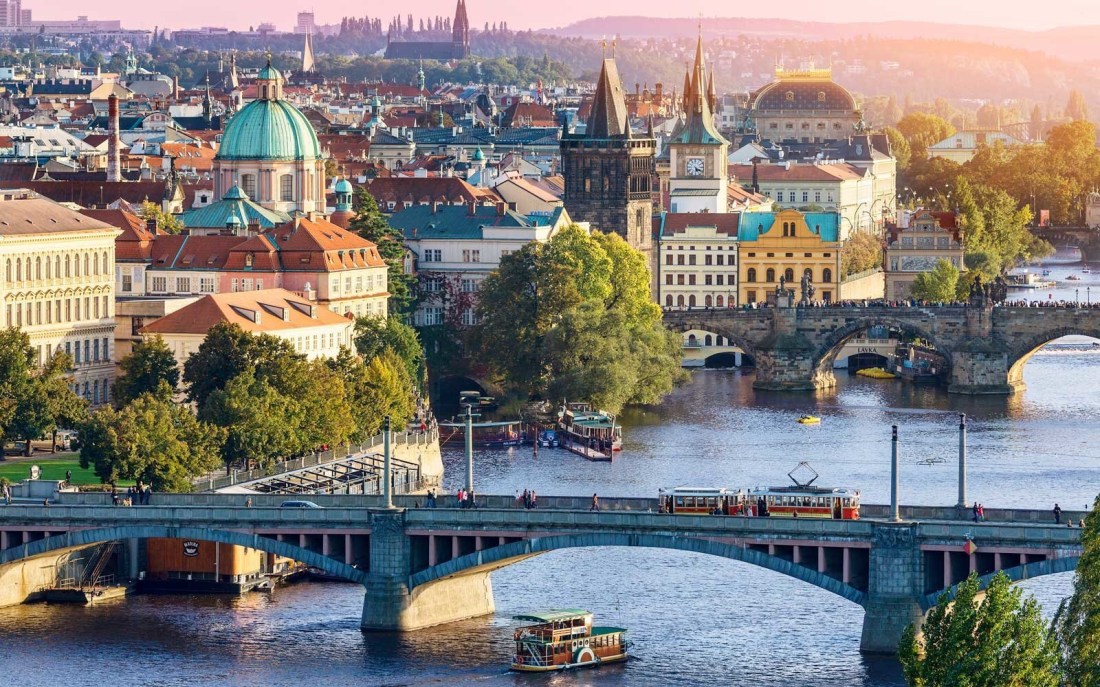
The 1989 Velvet Revolution that freed the Czechs from communism bequeathed to Europe a gem of a city to stand beside stalwarts such as Rome, Paris and London. Not surprisingly, visitors from around the world have come in droves, and on a hot summer’s day it can feel like you’re sharing Charles Bridge with half of humanity. But even the crowds can’t take away from the spectacle of a 14th-century stone bridge, a hilltop castle and a lovely, lazy river – the Vltava – that inspired one of the most hauntingly beautiful pieces of 19th-century classical music, Smetana’s Moldausymphony.
Art All Around
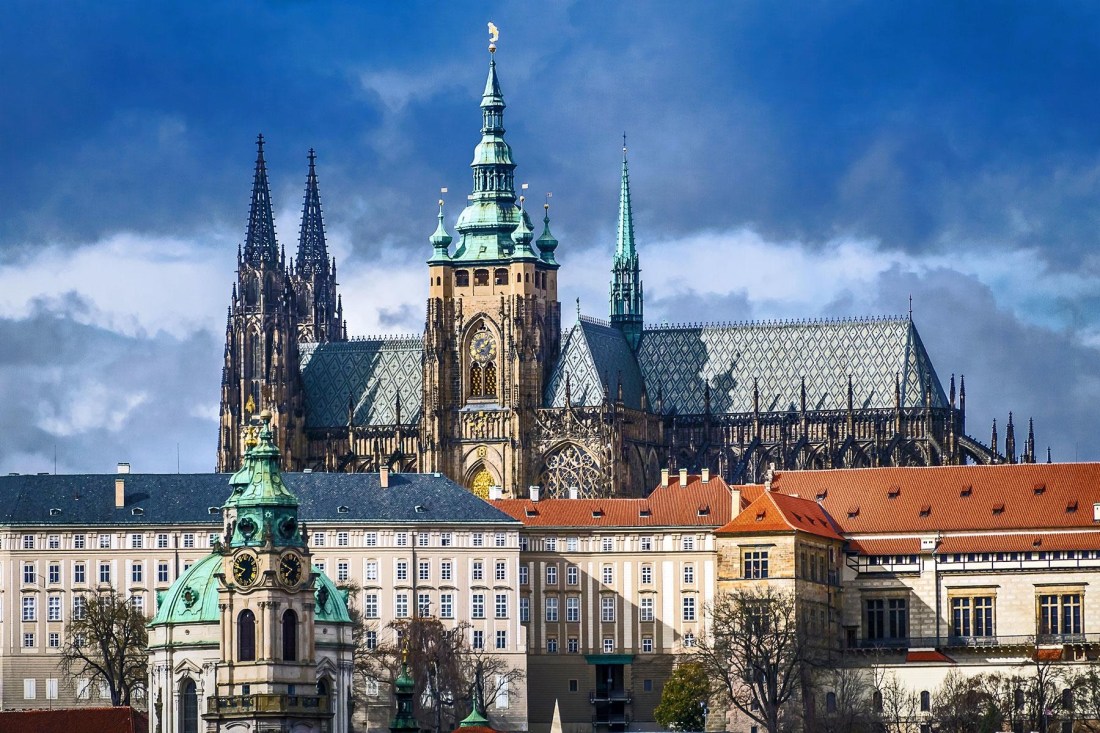
Prague’s art galleries may not have the allure of the Louvre, but Bohemian art offers much to admire, from the glowing Gothic altarpieces in the Convent of St Agnes, to the luscious art nouveau of Alfons Mucha, and the magnificent collection of 20th-century surrealists, cubists and constructivists in the Veletržní Palác. The weird and witty sculpture of David Černý punctuates Prague’s public spaces, and the city itself offers a smorgasbord of stunning architecture, from the soaring verticals of Gothic and the exuberance of baroque to the sensual elegance of art nouveau and the chiselled cheekbones of cubist facades.
Urban Explorations
Prague’s maze of cobbled lanes and hidden courtyards is a paradise for the aimless wanderer, always beckoning you to explore a little further. Just a few blocks away from the Old Town Square you can stumble across ancient chapels, unexpected gardens, cute cafes and old-fashioned bars with hardly a tourist in sight. One of the great joys of the city is its potential for exploration – neighbourhoods such as Vinohrady and Bubeneč can reward the urban adventurer with countless memorable cameos, from the setting sun glinting off church domes, to the strains of Dvořák wafting from an open window.
Things to see
Wenceslas square
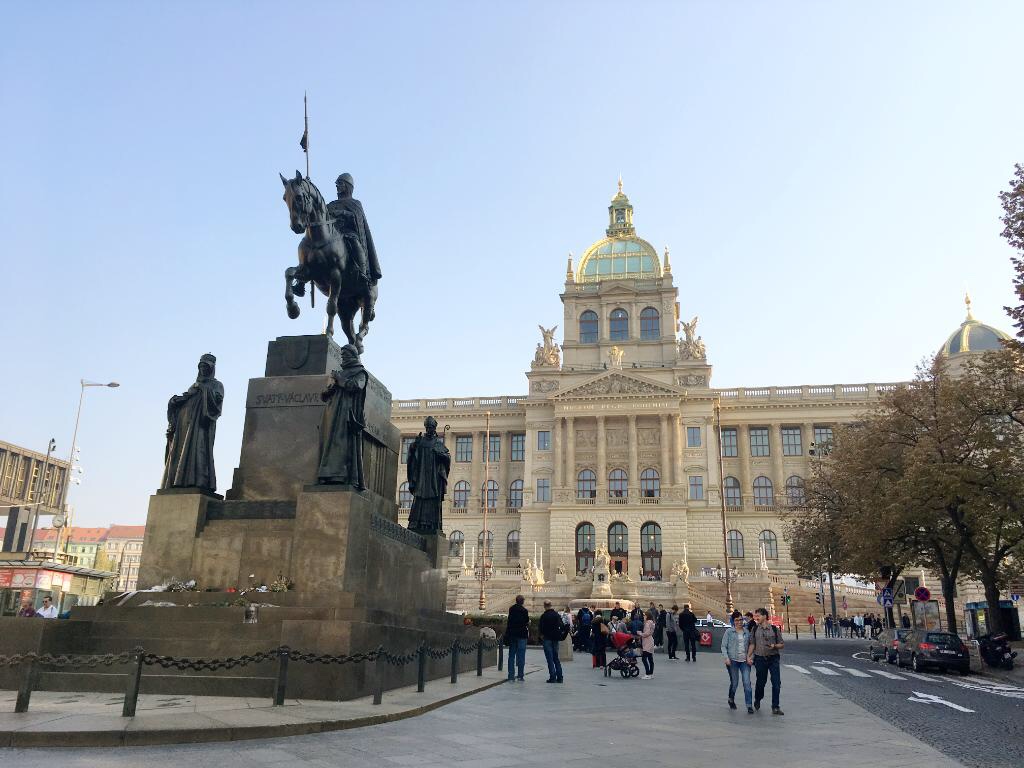
More a broad boulevard than a typical city square, Wenceslas Square has witnessed a great deal of Czech history – a giant Mass was held here during the revolutionary upheavals of 1848; in 1918 the creation of the new Czechoslovak Republic was celebrated here; and it was here in 1989 where many anticommunist protests took place. Originally a medieval horse market, the square was named after Bohemia’s patron saint during the nationalist revival of the mid-19th century.
Prague castle
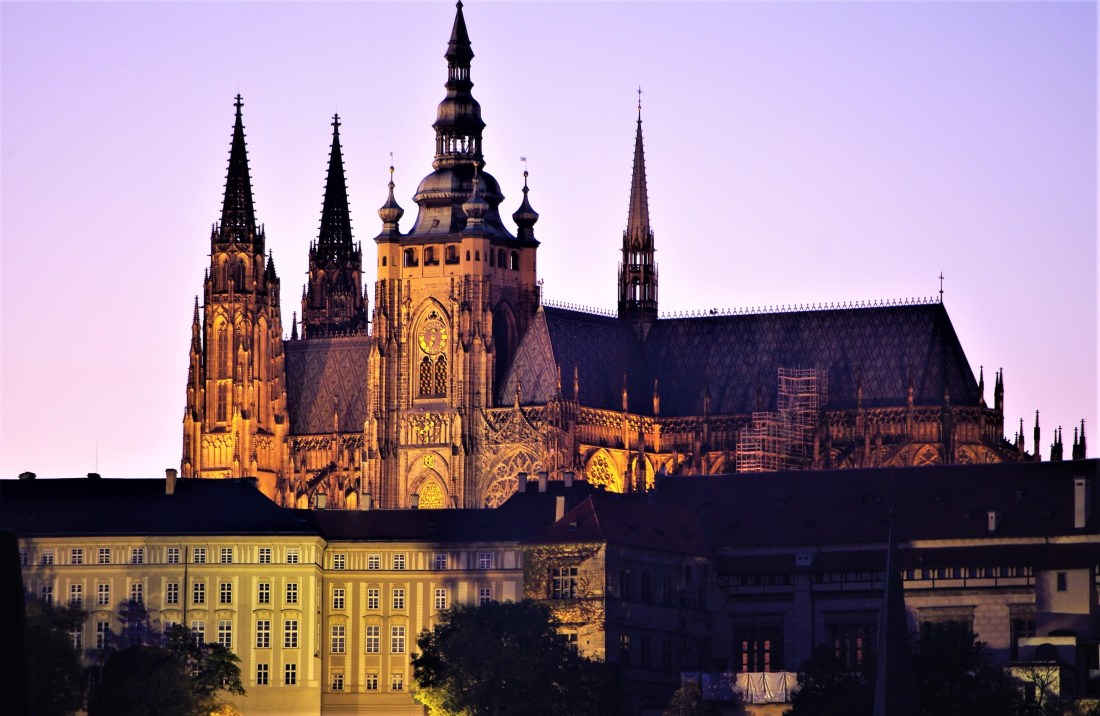
Prague’s most popular attraction. Looming above the Vltava’s left bank, its serried ranks of spires, towers and palaces dominate the city centre like a fairy-tale fortress. Within its walls lies a varied and fascinating collection of historic buildings, museums and galleries that are home to some of the Czech Republic’s greatest artistic and cultural treasures. Note that visitors must pass through a security check before entering the grounds, so bring your passport or EU identification card.
Food and drinks
Ichnusa Botega Bistro
Ichnusa’ is the ancient name for Sardinia, which is where owner Antonella Pranteddu sources all of the meats, cheeses and wines he serves in this inviting, family-run bistro. Let the server run through the day’s starters and mains (we love the prawns with tomato, garlic and red pepper). The grilled tuna is Prague’s best. Reservations essential.
Café Savoy
The Savoy is a beautifully restored belle-époque cafe, with smart, suited waiting staff and a Viennese-style menu of hearty soups, salads, roast meats and schnitzels. There’s also a ‘gourmet menu’ (mains 400Kč to 700Kč) where the star of the show is Parisian steak tartare mixed at your table, and a superb wine list (ask the staff for recommendations).
Hope to see you in Prague soon…
 Measure the Earth with your feet!!
You must be logged in to post a comment.