Pure. Natural. Unspoiled. Iceland. The Way Life Should Be

Hitting headlines, topping bucket lists, wooing nature lovers and dazzling increasing numbers of visitors – there seems no end to the talents of this breathtaking northern destination.

A Symphony of Elements

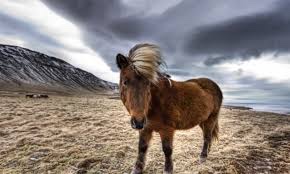
An underpopulated island marooned near the top of the globe, Iceland is, literally, a country in the making. It’s a vast volcanic laboratory where mighty forces shape the earth: geysers gush, mudpots gloop, ice-covered volcanoes rumble and glaciers cut great pathways through the mountains. Its supercharged splendour seems designed to remind visitors of their utter insignificance in the greater scheme of things. And it works a treat: some crisp clean air, an eyeful of the cinematic landscapes, and everyone is transfixed.
The Power of Nature

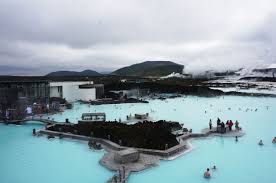
It’s the power of Icelandic nature to turn the prosaic into the extraordinary. A dip in a pool becomes a soak in a geothermal lagoon; a casual stroll can transform into a trek across a glittering glacier; and a quiet night of camping may mean front-row seats to the aurora borealis’ curtains of light, or the soft, pinkish hue of the midnight sun. Iceland has a transformative effect on people too – its sagas turned brutes into poets, and its stories of huldufólk (hidden people) may make believers out of sceptics. Here you’ll find some of the world’s highest concentrations of dreamers, authors, artists and musicians, all fuelled by their surrounds.
Nordic Nirvana

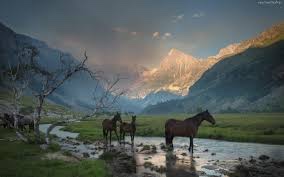
Don’t for a minute think it’s all about the great outdoors. The counterpoint to so much natural beauty is found in Iceland’s cultural life, which celebrates a literary legacy that stretches from medieval sagas to contemporary thrillers by way of Nobel Prize winners. Live music is everywhere, as is visual art, handicrafts and locavore cuisine. The world’s most northerly capital is home to the kind of egalitarianism, green thinking and effortless style that its Nordic brethren are famous for – all of which is wrapped in Iceland’s assured individuality.
A Personal Experience

The warmth of Icelanders is disarming, as is their industriousness – they’ve worked hard to recover from financial upheaval, and to transform Iceland into a destination that, thanks to its popularity with visitors, can host more than six times its population each year. Pause and consider a medium-sized city in your country – then give it far-flung universities, airports and hospitals to administer, 30-odd active volcanoes to monitor, and hundreds of hotels to run. How might they cope? Could they manage as well as the Icelanders – and still have time left over to create spine-tingling music and natty knitwear?

Hope you enjoy Iceland…

Don’t forget to like, follow, comment and share my blog with as many people as you know.
Get ready to get enchanted -Barcelona

Architecture of the Ages

Barcelona’s architectural treasures span 2000-plus years. Towering temple columns, ancient city walls and subterranean stone corridors provide a window into Roman-era Barcino. Fast forward a thousand years or so to the Middle Ages by taking a stroll through the shadowy lanes of the Gothic quarter, past tranquil plazas and soaring 14th-century cathedrals. In other parts of town bloom the sculptural masterpieces of Modernisme, a mix of ingenious and whimsical creations by Gaudí and his Catalan architectural contemporaries. Barcelona has also long inspired artists, including Pablo Picasso and Joan Miró, both of whom have major Barcelona museums devoted to their works.

A Moveable Feast

The masters of molecular gastronomy – Albert Adrià, Carles Abellan et al – are part of the long and celebrated tradition of Catalan cooking. Simple, flavourful ingredients – seafood, jamón(cured ham), market-fresh produce – are transformed into remarkable delicacies and then served in captivating settings. Feast on hearty, rich paella at an outdoor table overlooking the sea or step back to the 1920s at an elegant art nouveau dining room. Barcelona’s wide-ranging palate adds further complexity: Basque-style tapas bars, Galician seafood taverns, avant-garde Japanese restaurants and sinful chocolate shops are all essential parts of the culinary landscape.

Under the Iberian Sun

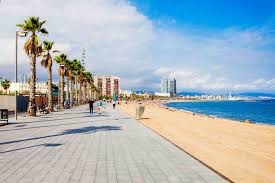
The deep blue Mediterranean beckons. Sun-drenched beaches make a fine backdrop to a jog, bike ride or long leisurely stroll along the seaside – followed by a refreshing dip. You can also enjoy the view from out on the water while kayaking, stand-up paddleboarding or taking it easy on a sunset cruise. Looming behind the city, the rolling forest-covered Collserola hills provide a scenic setting for hiking, mountain biking or just admiring the view. Closer to the city centre, hilltop Montjuïc offers endless exploring amid botanic and sculpture gardens, an old castle and first-rate museums with panoramic views at every turn.

Things to do in Barcelona

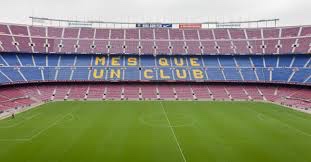
Camp Nou

The massive stadium of Camp Nou (‘New Field’ in Catalan) is home to the legendary Futbol Club Barcelona. Attending a game amid the roar of the crowds is an unforgettable experience; the season runs from August to May. 

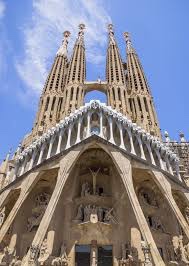
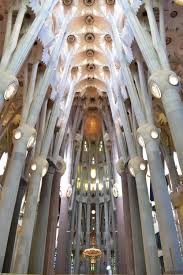
Sagrada Família

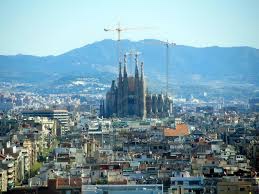
Let’s start with the elephant in the room, or in other words, the iconic Gaudí’s masterpiece. Sagrada Família is the symbol of Barcelona and while it’s utterly impressive in size and detail, it’s a rather odd combination of elements.

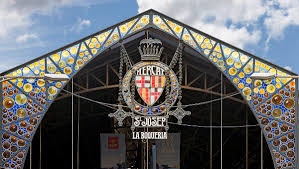
Mer at de Sant Josep de la Boqueria

The Mercat de Sant Josep de la Boqueria, often simply referred to as La Boqueria, is the most popular market in Barcelona. 

More than a tourist attraction, it’s a frolic experience for all senses, particularly for food lovers. Amazing assortment of food, from fresh fruit to sweets, from olive oil and chocolate to seafood and eggs. There’s plenty of in-house restaurants and bars to have a meal or a light snack too.

Can get very busy with tourists, but if you come early in the morning and explore the area opposite to the main entrance you should be fine. Anyway, it’s still BY FAR the most interesting thing La Rambla has to offer.

Things to know before travelling to Barcelona

  • Geography | Barcelona is the largest city on the autonomous region of Catalonia. Despite being part of Spain, Catalonia has a very strong identity and culture from the rest of the country; there have even been efforts of making it an independent territory throughout centuries.

  • Language | Locals speak Spanish, but a few words of Catalan (the regional language) can earn you an extra smile. 

  • Money | Euro is used throughout Spain. Tipping is NOT mandatory and only done in case of an exceptionally good service. There are several ATMs scattered through the city and the overwhelming majority of restaurants and shops will accept cards. It’s a cashless society.
  • Weather | Expect mild temperatures all year round, and particularly high temperatures during July and August. Average lows from December to February are five degrees Celsius. It rarely snows in Barcelona.
Please do not forget to like, follow, share and comment on my blogs

Hope you have a great stay at Barcelona and don’t forget to tell me what your favourite part about Barcelona is.