
Fashion- and technology-forward but also deeply traditional, this dynamic city mashes up palaces, temples, cutting-edge design and mountain trails, all to a nonstop K-Pop beat.
Design Matters
Over the last decade Seoul has worked hard to soften its industrial hard edges into an appealing urban ideal of parks, culture and design. Glass, concrete and steel are crafted into natural forms at the spectacular Dongdaemun Design Plaza & Park and City Hall. The popularity of the beautifully landscaped parks alongside the central Cheong-gye stream and the Han River has spurred on the creation of more green spaces and cycle routes. Join Seoulites enjoying time out shopping in stylish boutiques and drinking at cool cafes and convivial bars.
Historical Fragments
Gaze down on this sprawling metropolis of around 10 million people from atop any of Seoul’s four guardian mountains and you’ll sense the powerful pungsu-jiri (feng shui) that has long nurtured and protected the city. History clings tenaciously to the ‘Miracle on the Han’, a phoenix arisen from the ashes of the Korean War. So while Seoul has its eye clearly on the future, you’ll also encounter fascinating fragments of the past in World Heritage–listed sites such as Jongmyo shrine, in the alleys between the graceful hanok (traditional wooden homes) in Bukchon, and striding along the magnificent Seoul City Wall.
24-Hour City
Whatever you want, at any time of day or night, Seoul can provide. An early-morning temple visit can lead to a palace tour followed by tea-sipping in Bukchon and gallery-hopping in Samcheong-dong. By the time you look at your watch, it will be dawn again.
Beyond the Walls
Public transport is brilliant, so there’s no excuse for not stretching your travel horizons beyond the city limits. The fearsome Demilitarized Zone (DMZ), splitting South from North Korea, exerts a powerful attraction and makes for a compelling day trip. To the west, Incheon is a fascinating port where the modern world came flooding into Korea at the end of the 19th century, and today whose Chinatown and waterfront are still an interesting fusion of people. To the south is Suwon, home to impressive World Heritage–listed fortifications, built by King Jeongjo, that snake 5.7km past majestic gates and pavilions.
Things to see
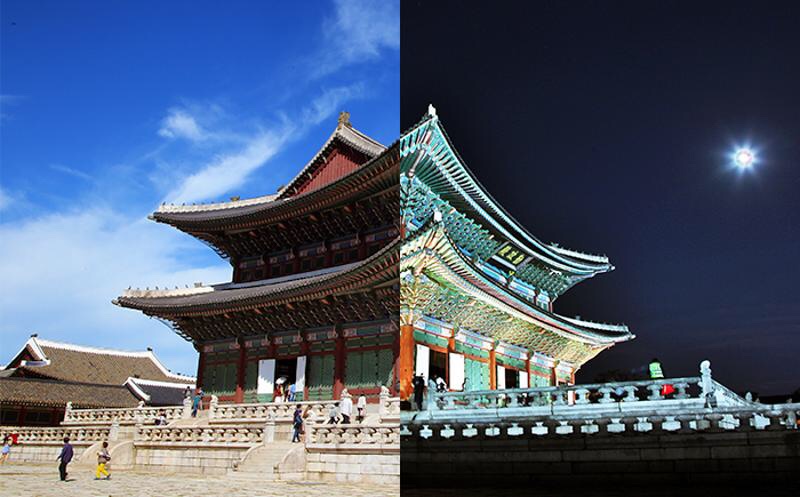
Gyeongbokgung- Like a phoenix, Seoul’s premier palace has risen several times from the ashes of destruction. Hordes of tourists have replaced the thousands of government officials, scholars, eunuchs, concubines, soldiers and servants who once lived here. Watch the changing of the guard ceremonies at the main entrance Gwanghwamun, then set aside at least half a day to do justice to the compound, which includes a couple of museums, ornamental gardens and some of Seoul’s grandest architectural sights.
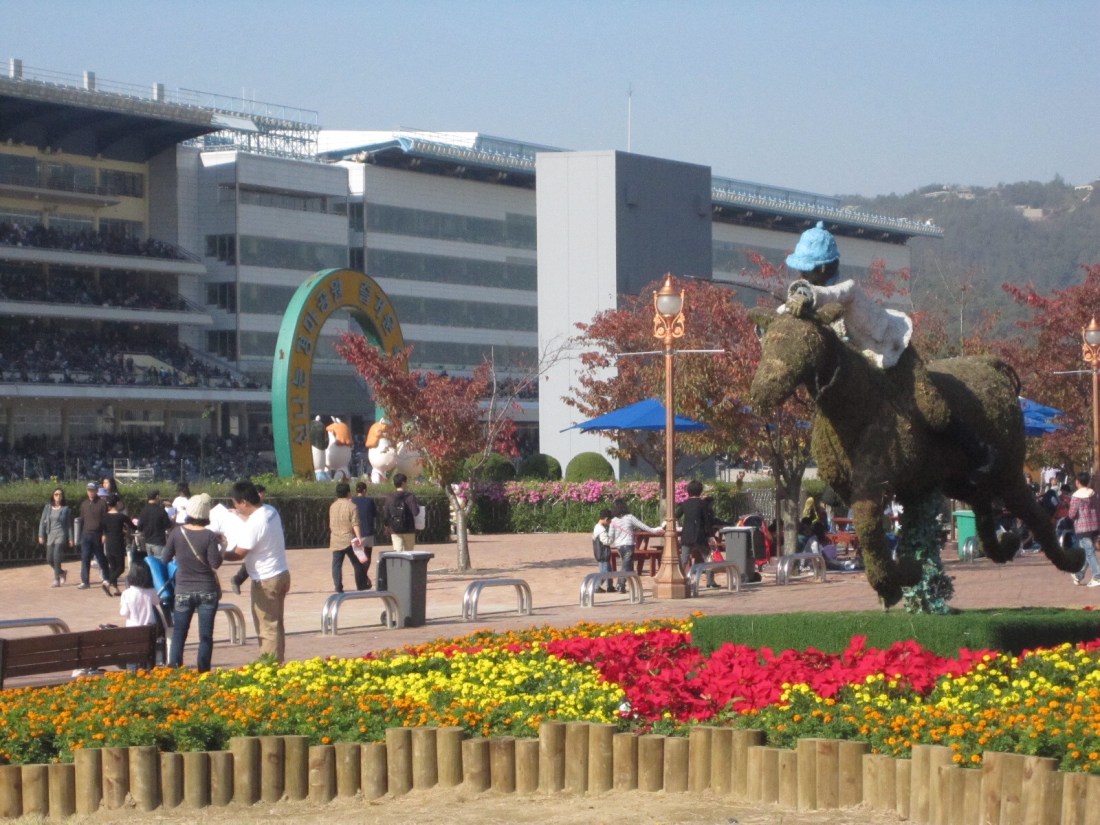
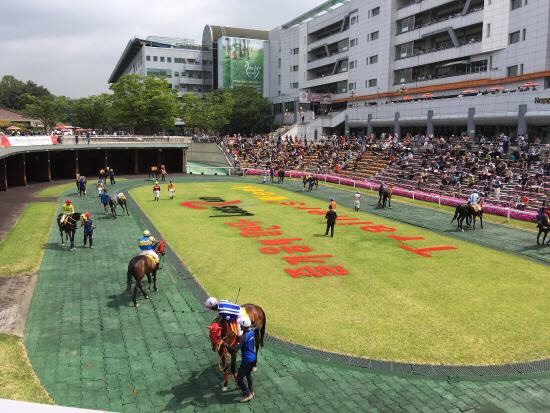
Seoul Racecourse- Enjoy a day at the races at Seoul’s impressive and hugely popular horse-racing track. A 40,000-capacity grandstand faces the sandy track and its backdrop of verdant hills, where giant screens show the odds, the races and close-ups of the horses. You’ll need a subway card to get through the turnstiles; once inside, make a beeline for the ground-floor Foreigner Information Desk to collect the day’s form guide in English and a handy leaflet explaining how the betting system works.
My advice find the next best holiday to fly off to Seoul and till that time share, follow, like and comment.

 Measure the Earth with your feet!!