

The essence of Norway’s appeal is remarkably simple: this is one of the most beautiful countries on earth.
Stirring Landscapes
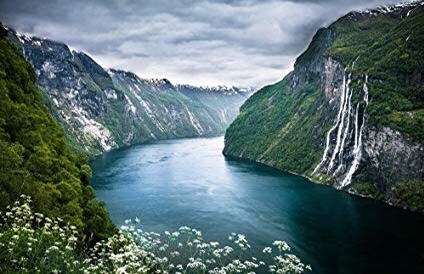
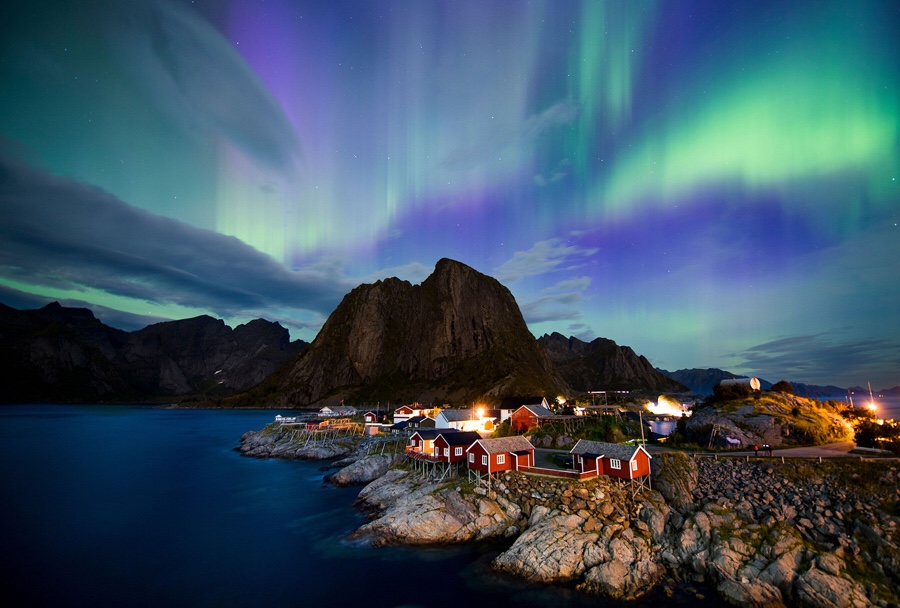
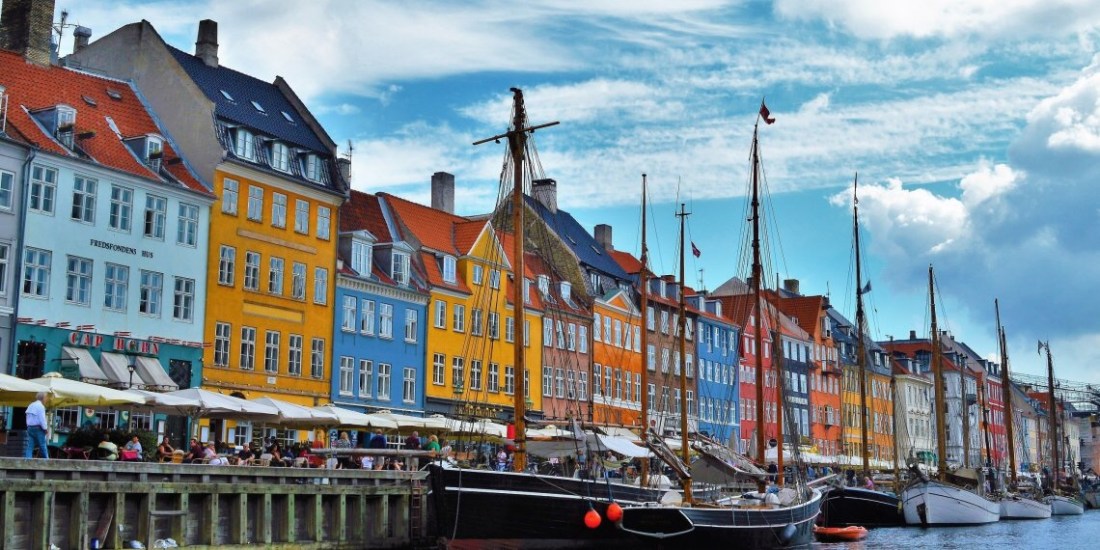
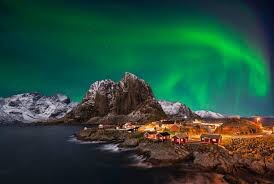
Impossibly steep-sided Norwegian fjords of extraordinary beauty cut gashes from a jagged coastline deep into the interior. Glaciers, grand and glorious, snake down from ice fields that rank among Europe’s largest. Elsewhere, the mountainous terrain of Norway’s interior resembles the ramparts of so many natural fortresses, and yields to rocky coastal islands that rise improbably from the waters like apparitions. Then, of course, there’s the primeval appeal, the spare and staggering beauty of the Arctic. And wherever you find yourself in this most extraordinary country, these landscapes serve as a backdrop for some of Europe’s prettiest villages.
The Call to Action
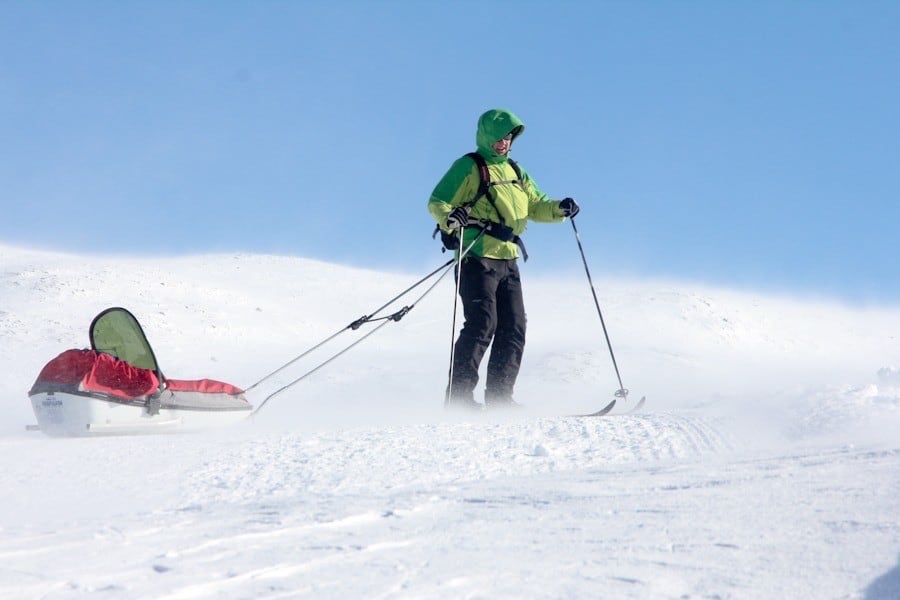
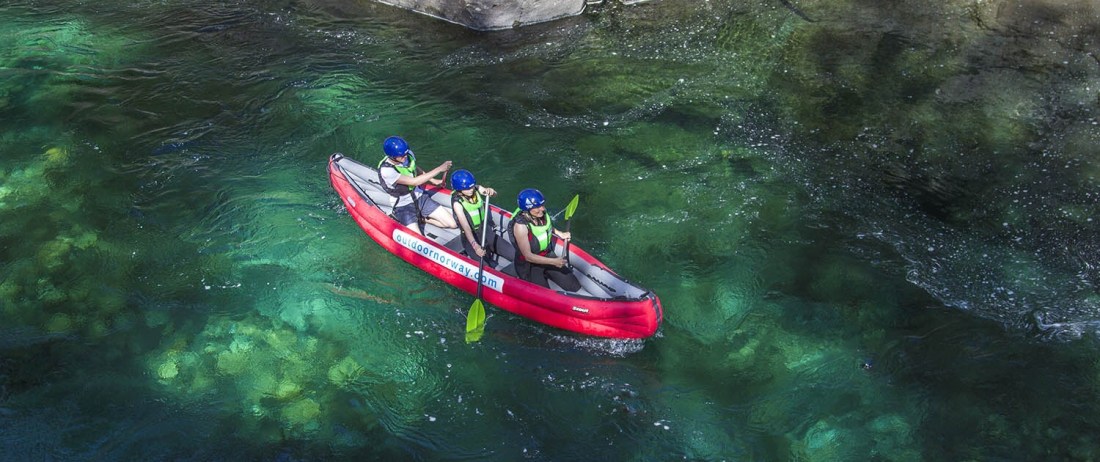
Enjoying nature in Norway is very much an active pursuit, and this is one of Europe’s most exciting and varied adventure-tourism destinations. While some of the activities on offer are geared towards the young, energetic and fearless, most – such as world-class hiking, cycling and white-water rafting in summer, and dog-sledding, skiing and snowmobiling in winter – can be enjoyed by anyone of reasonable fitness. Whether you’re here for seemingly endless summer possibilities, or for snowsports and the soul-stirring Northern Lights in winter, these activities are an exhilarating means of getting close to nature.
Scandinavian Sophistication
The counterpoint to Norway’s ever-present natural beauty is found in its vibrant cultural life. Norwegian cities are cosmopolitan and showcase the famous Scandinavian flair for design through the ages. Bergen, Trondheim and Ålesund must surely rank among Europe’s most photogenic cities, while contemporary Arctic-inspired architectural icons grace towns and remote rural settings alike. Food, too, is a cultural passion through which Norwegians push the boundaries of innovation even as they draw deeply on a heartfelt love of tradition. At the same time, a busy calendar of festivals, many of international renown, are worth planning your trip around.
Wonderful Wildlife
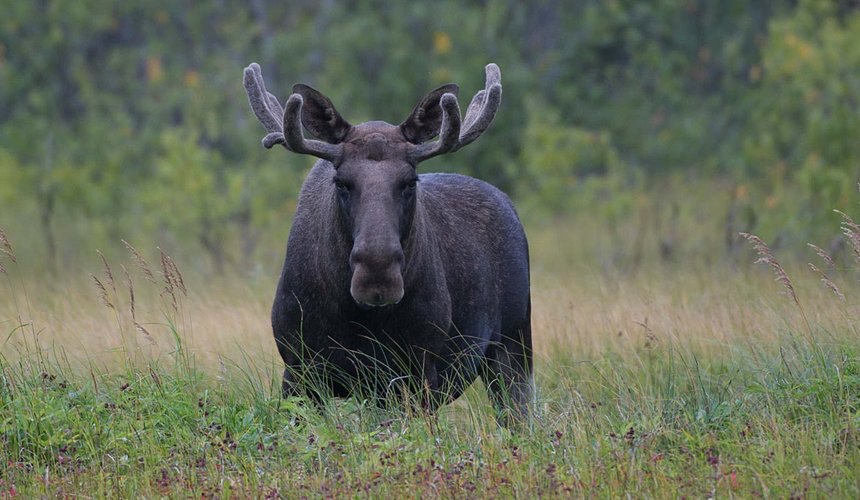
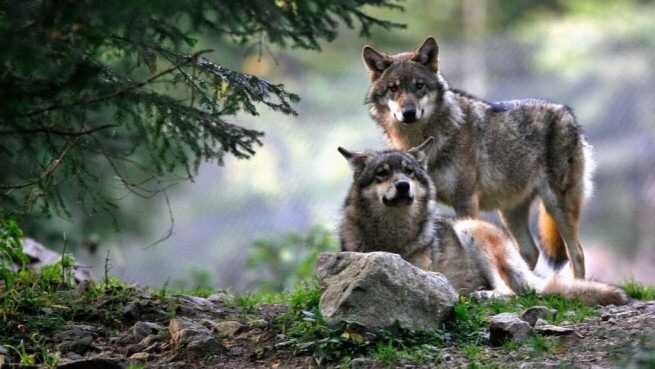
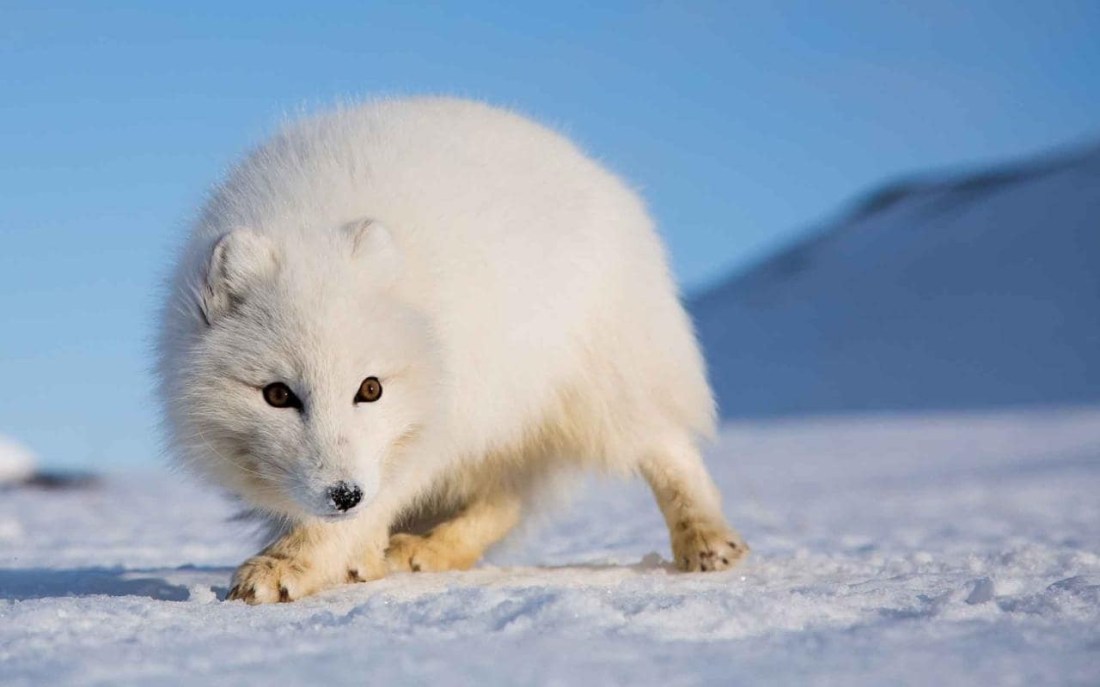
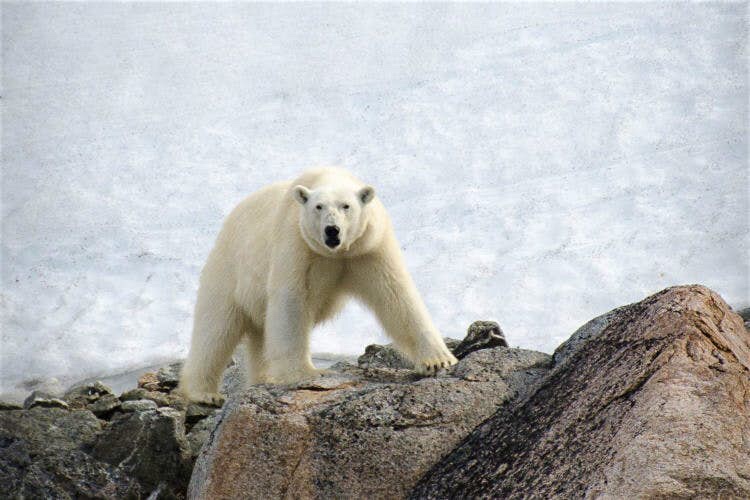
When it comes to wildlife, Norway has few peers in Europe. Here you can watch whales – humpback, sperm and orca, depending on the season – off Andenes, Stø or Tromsø, while the interior offers up wild reindeer, prehistoric musk oxen, ponderous elk (moose) or beguiling Arctic foxes. Birdwatching, too, is a highlight, from the puffins of Bleik to the migratory seabirds of Runde and Varanger. But the real prizes inhabit Norway’s high Arctic, in Svalbard, where polar bears and walruses are the poster species for a wilderness of rare, dramatic and precarious beauty.
Some delicious things to eat in Norway
Norwegian waffles
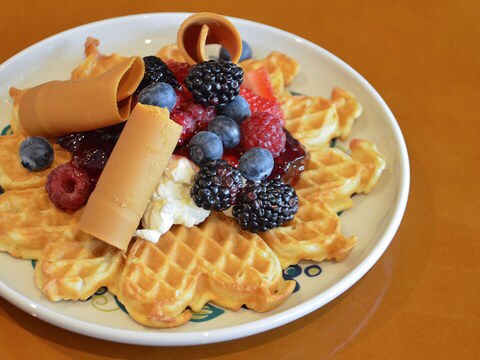
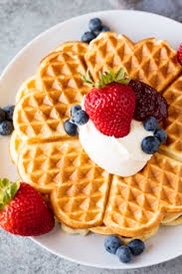
These heart-shaped delights are served all over Norway, from ferry boat food stalls to museum cafes and more. They’re often eaten midday as a snack and can be topped with jam or brunost — or better yet, both. They’re a bit thinner than your better-known Belgian waffle, so the edges crisp up nicely. Otherwise, the basic ingredients are what you’d expect: flour, water, eggs, sugar.
Where to find it: Try them on a ferry ride through a fjord or at Bergen’s BarBarista, which serves several fun twists in addition to the traditional style.
Fiskeboller
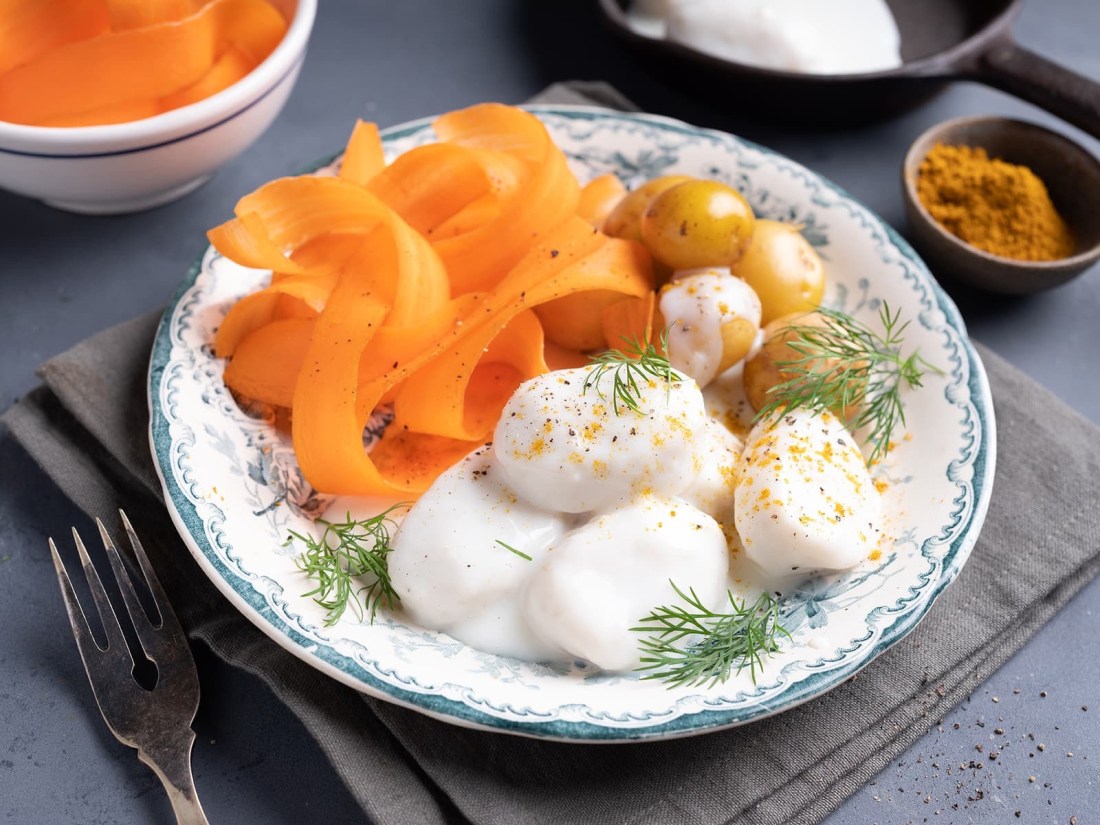
This humble dish translates literally as “fish balls,” and involves a white fish such as cod that’s been blended with eggs, milk, and flour and formed into a ball. It’s an everyday meal in Norway, and many Norwegians keep canned fish balls at the ready in their cupboards.
Where to find it: Your friendly neighborhood grocery store will carry fiskeboller, and most Norwegians can offer tips on how it should be prepared.
Matpakke
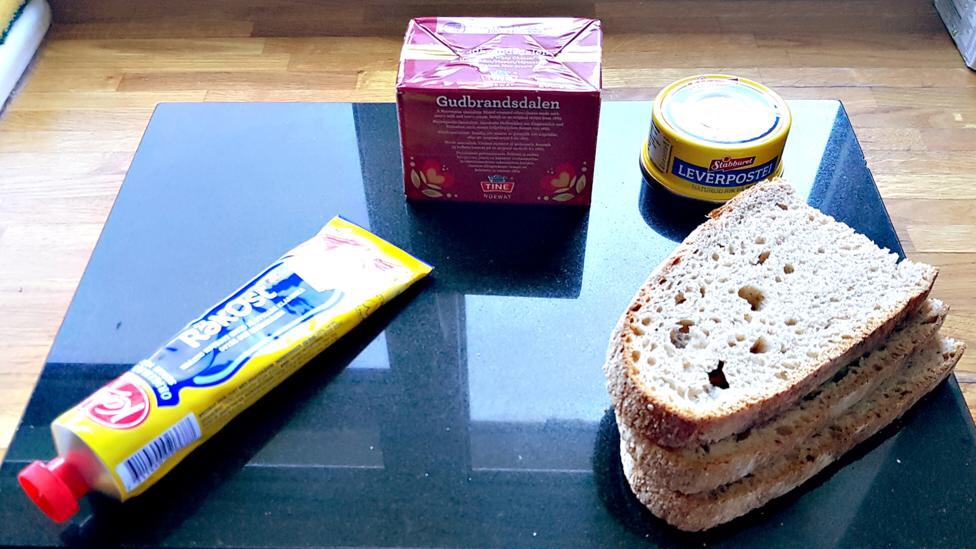
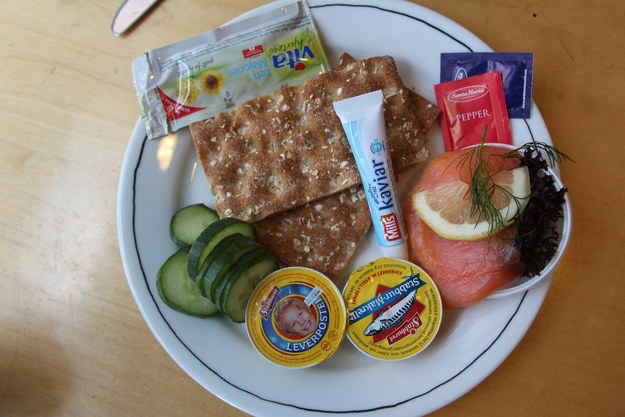
Literally meaning “packed food,” matpakke is something you’ve probably been doing your whole life, ever since you packed a lunch to take to school. Well, kind of — Norwegians do it a bit differently.
Beyond school lunches, matpakke is something pretty much every Norwegian takes when they go hiking, skiing, or biking. It’s super simple: sliced, homemade bread (has to be Norwegian bread — less sugar) with cheese, sliced meats, and other toppings, like vegetables. It’s open-faced and there’s usually more than one, with a layer of special “matpakke paper” separating the layers. You’ll find the paper at any local supermarket, and it’ll even be pre-cut into the right sizes (with even larger paper to wrap it all up).
Where to find it: True matpakke is homemade — the perfect excuse to get to know the locals on your trip!
 Measure the Earth with your feet!!
You must be logged in to post a comment.